

Cativante Fragrance Design
Cativante
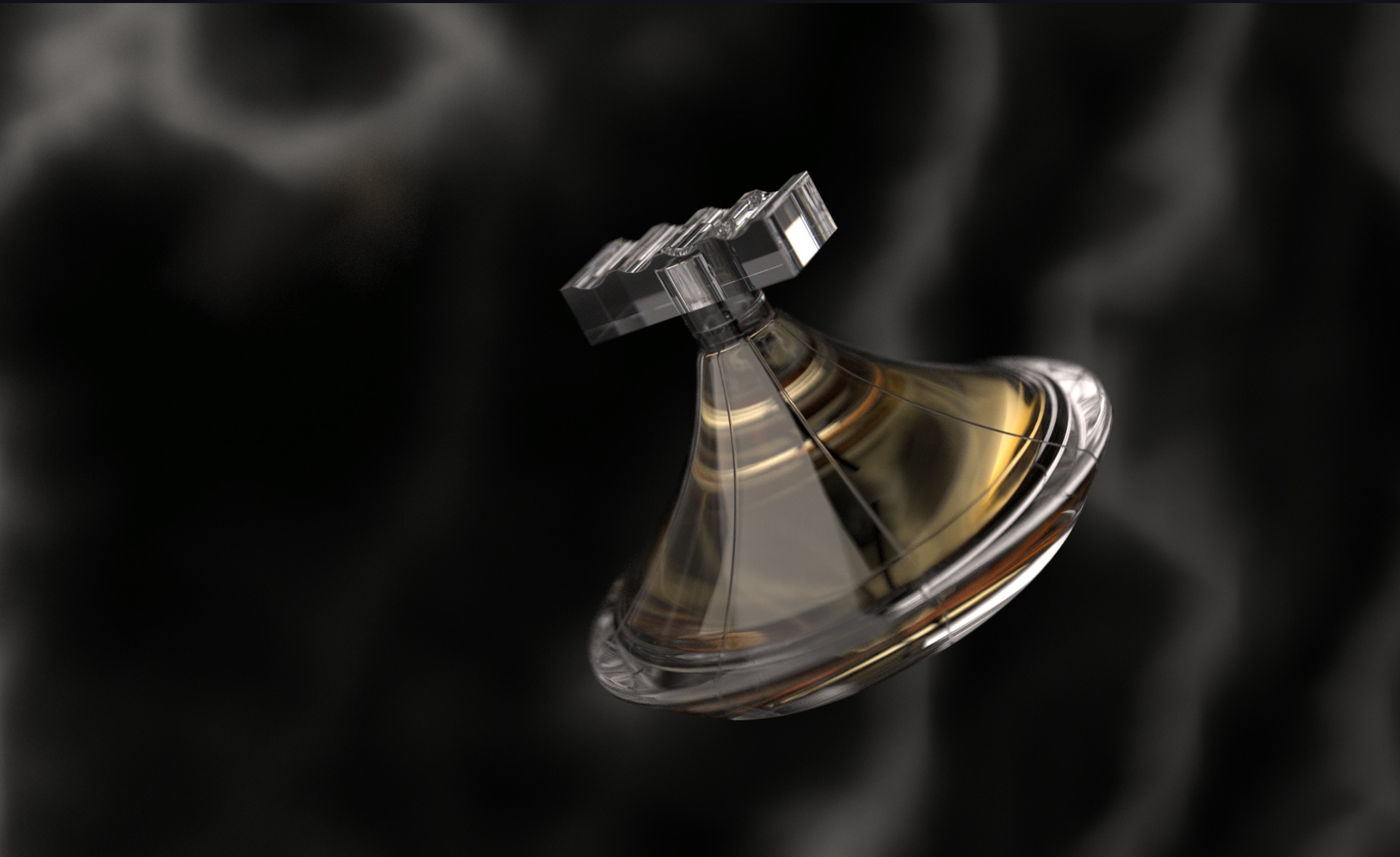
Inspired by the Cathedral of Brasília, this perfume bottle translates monumental architecture into a refined, handheld form.
The body echoes the cathedral’s sweeping, hyperbolic structure, with vertical ribs that rise upward to create a sense of lightness and transcendence. The transparent glass allows the amber fragrance to glow from within, reminiscent of filtered sunlight.
The faceted lid draws from the cathedral’s campanile, reinterpreted as a crystalline vertical accent; grounding the design in both structure and symbolism.
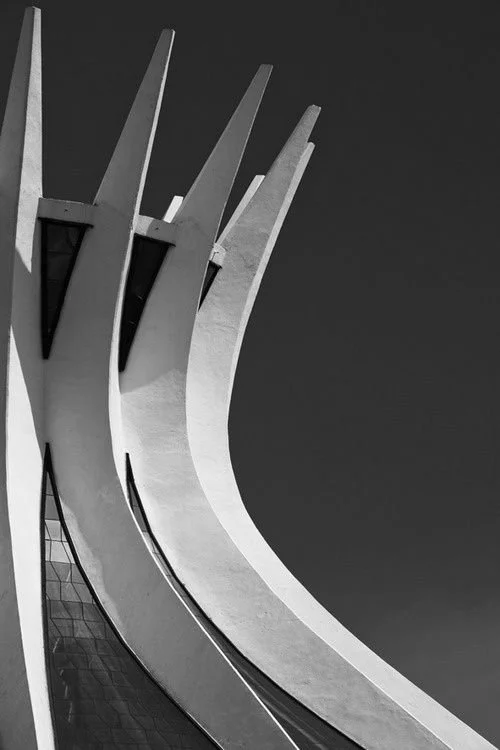
Cathedral of Brasília
Observations
Observations
Hyperbolic Concrete Columns
The structure is formed by 16 sweeping concrete columns that curve upward and outward in a hyperbolic shape. They create the cathedral’s crown-like silhouette and give the building its sense of movement.
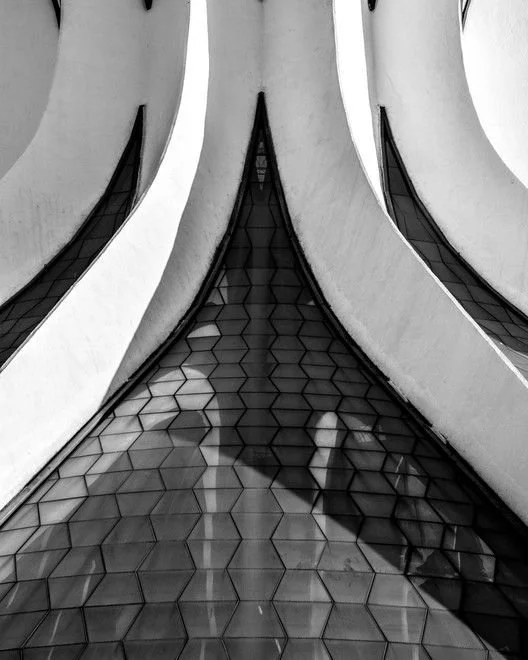
Glass Enclosure
Between the columns, large panels of stained glass fill the vertical gaps. This allows natural light to flood the interior, casting colored illumination that shifts throughout the day.
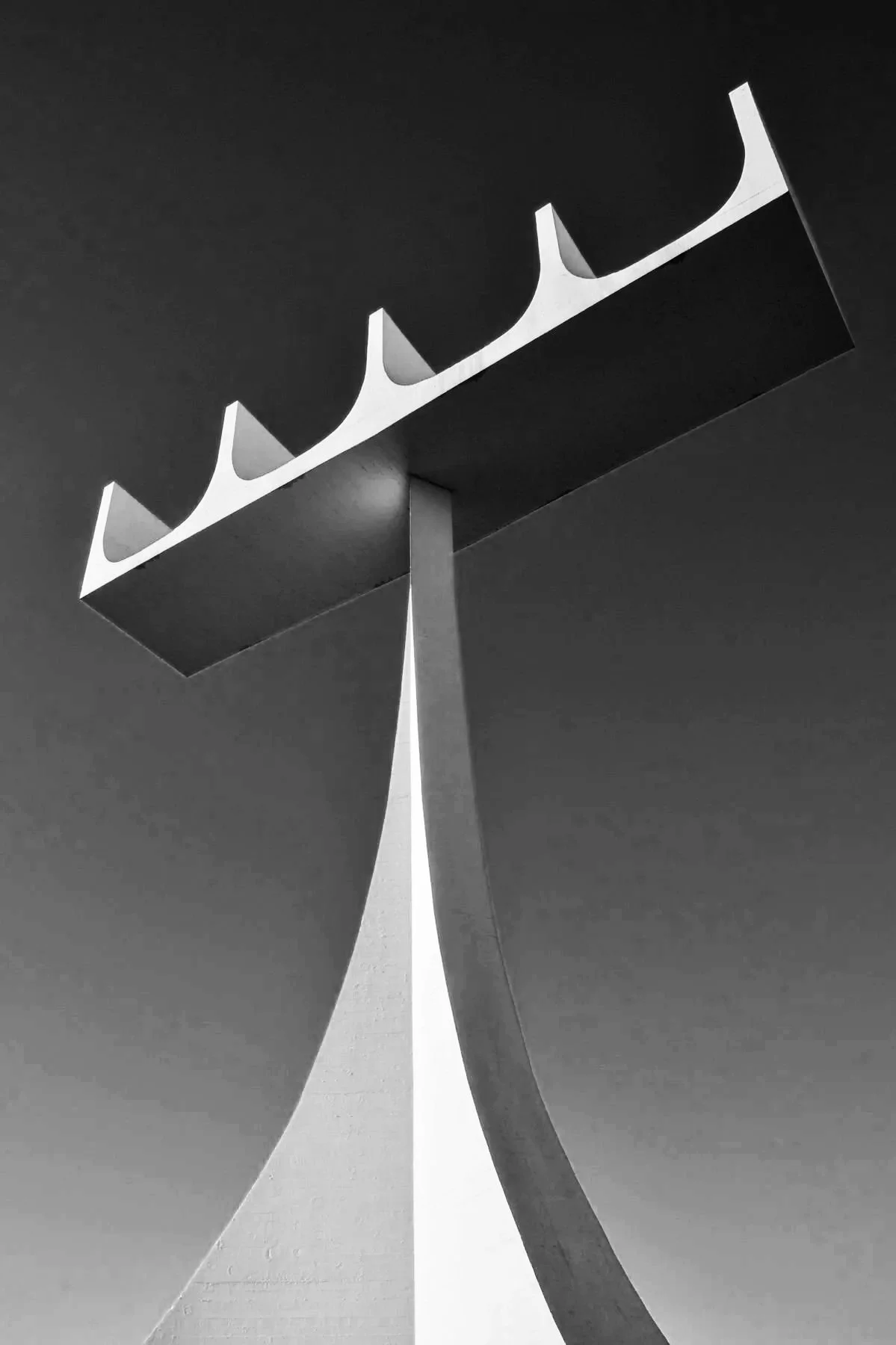
Campanile (Bell Tower)
Separate from the main structure stands a minimal, vertical campanile, composed of slender supports holding suspended bells. Its simplicity contrasts with the expressive curvature of the cathedral itself.
Ideation
Mood Board
This form to be striking, timeless, and luxurious; an object that elevates its surroundings. The experience of interacting with the bottle is meant to evoke a sense of glamour and effortless elegance.
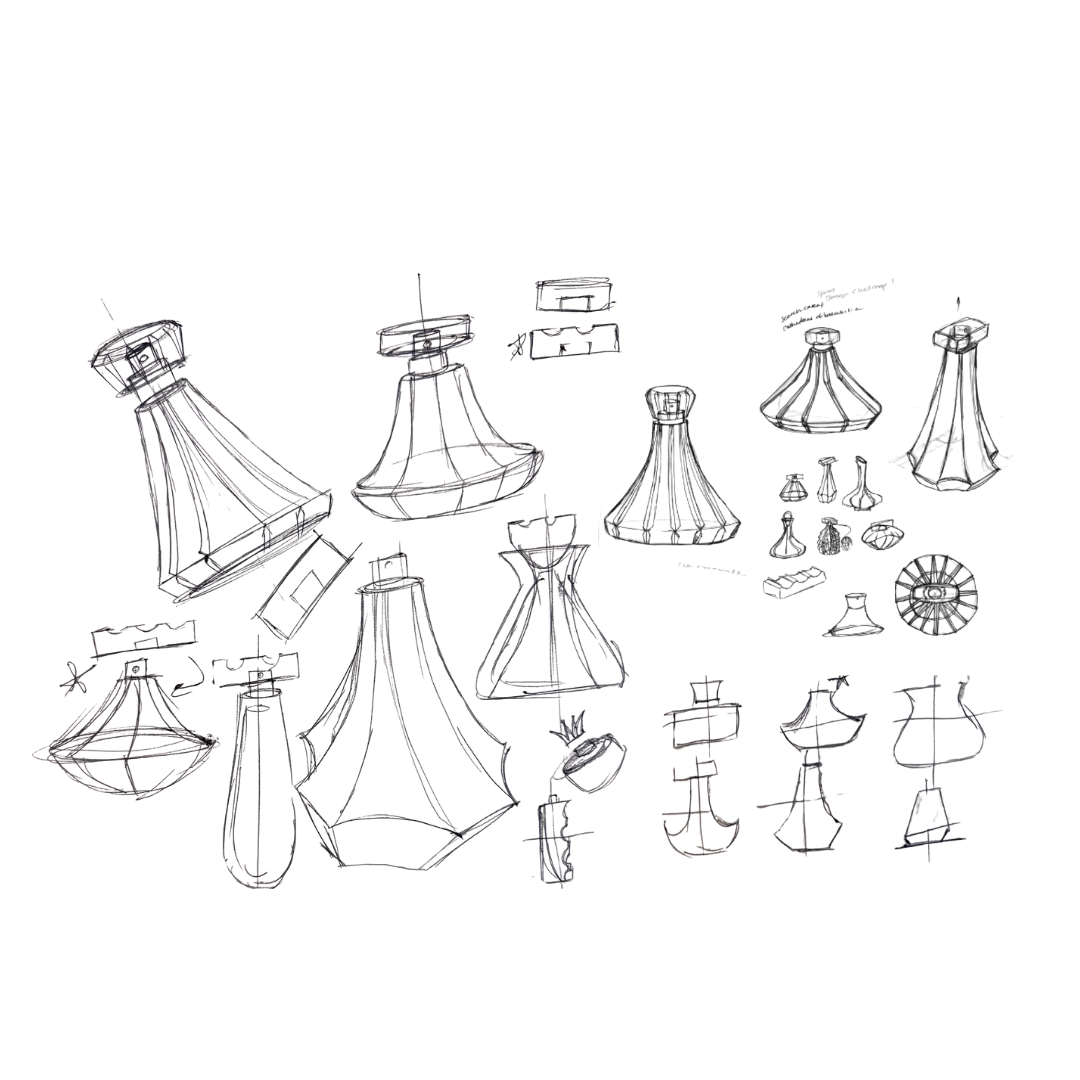
Sketches

Cativante
Cativante

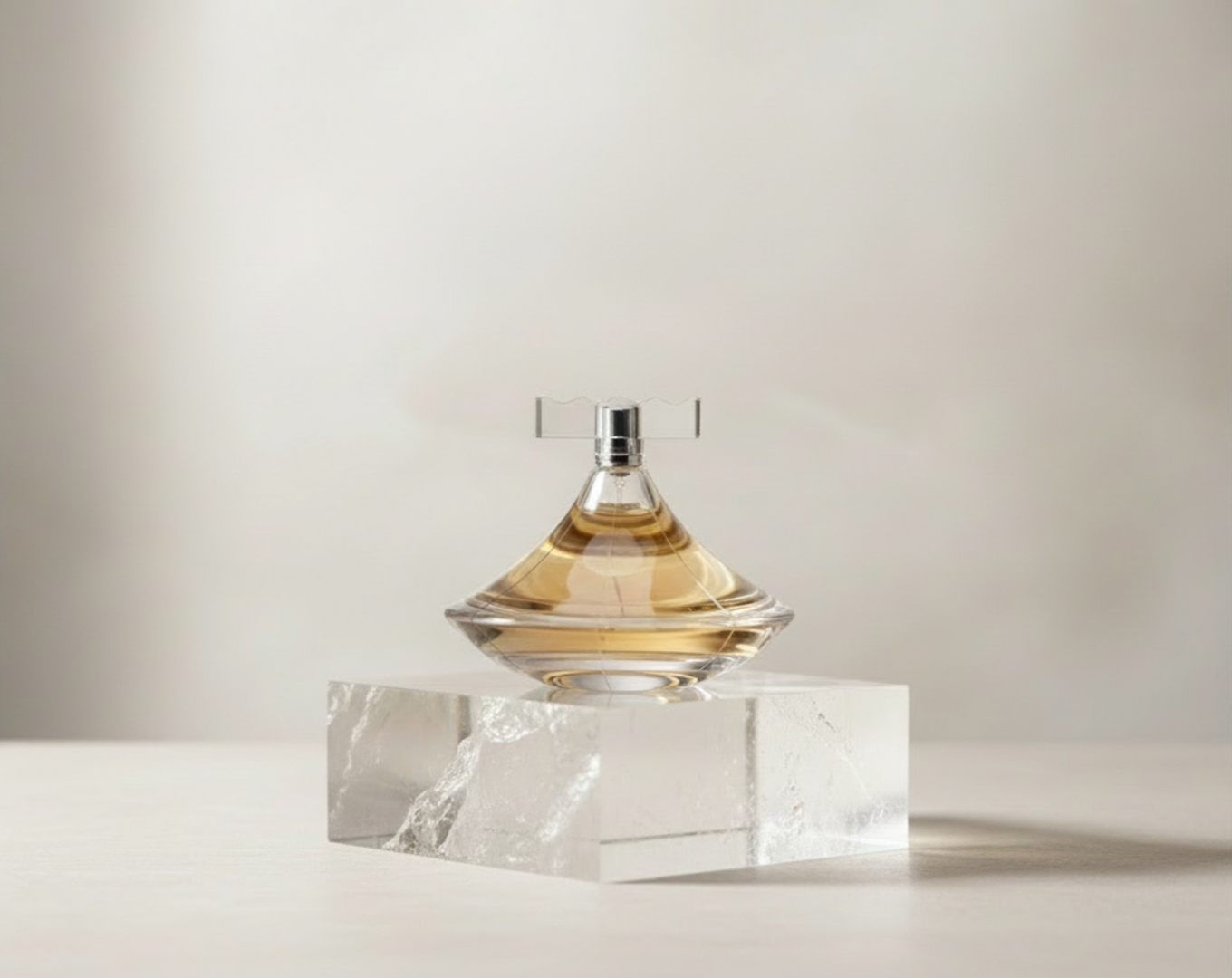


The fragrance
Cativante is a fragrance that embodies sophistication and elegance. This rich, opulent blend reveals a captivating interplay of tobacco and honey, offering warmth and coziness with an elevated touch. It is both uniquely feminine and irresistibly alluring.
This fragrance design is a reminder to every woman that she is captivating, and worthy of feeling glamorous and beautiful.
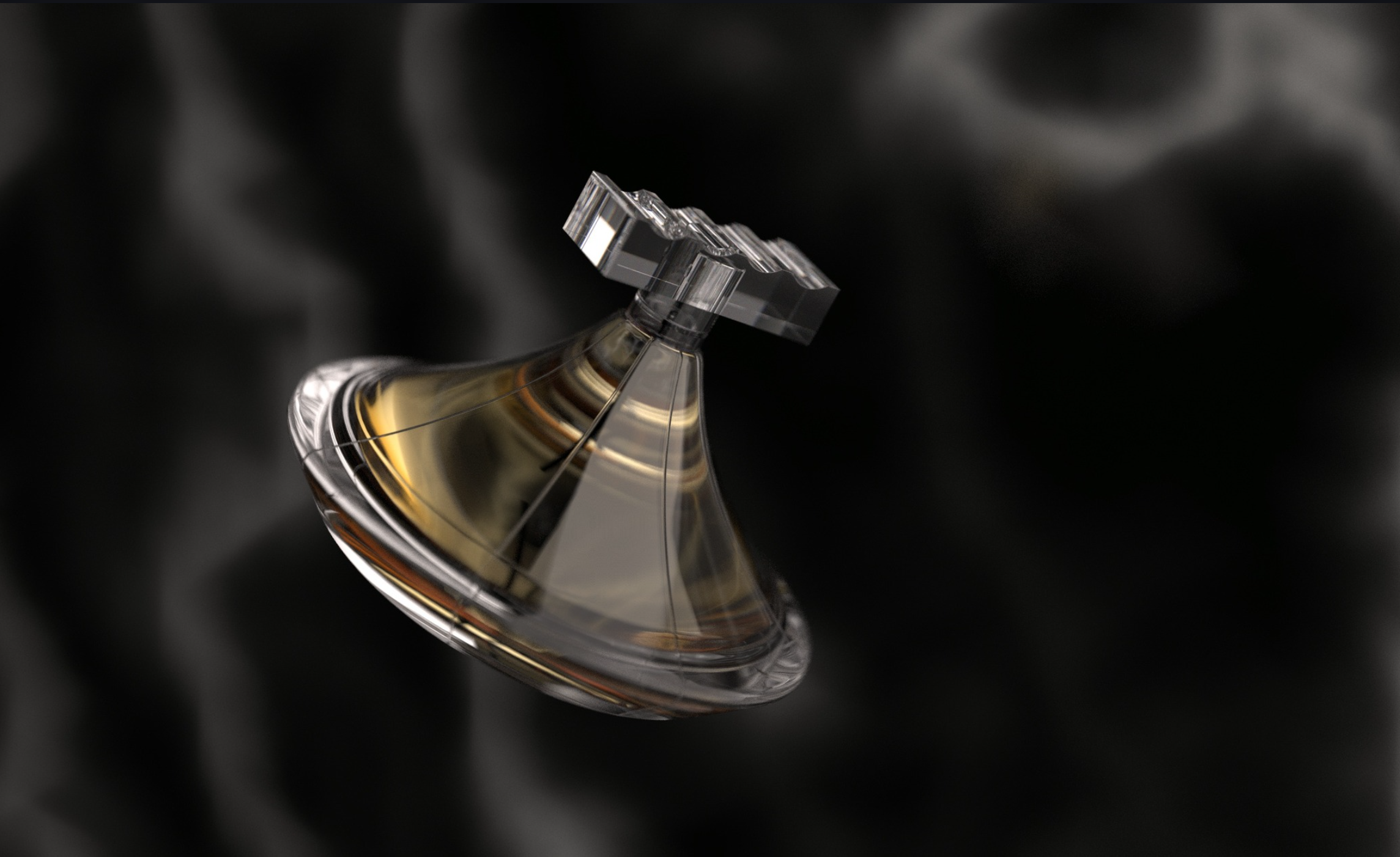

You are Cativante
Inspired by The Cathedral of Brasília
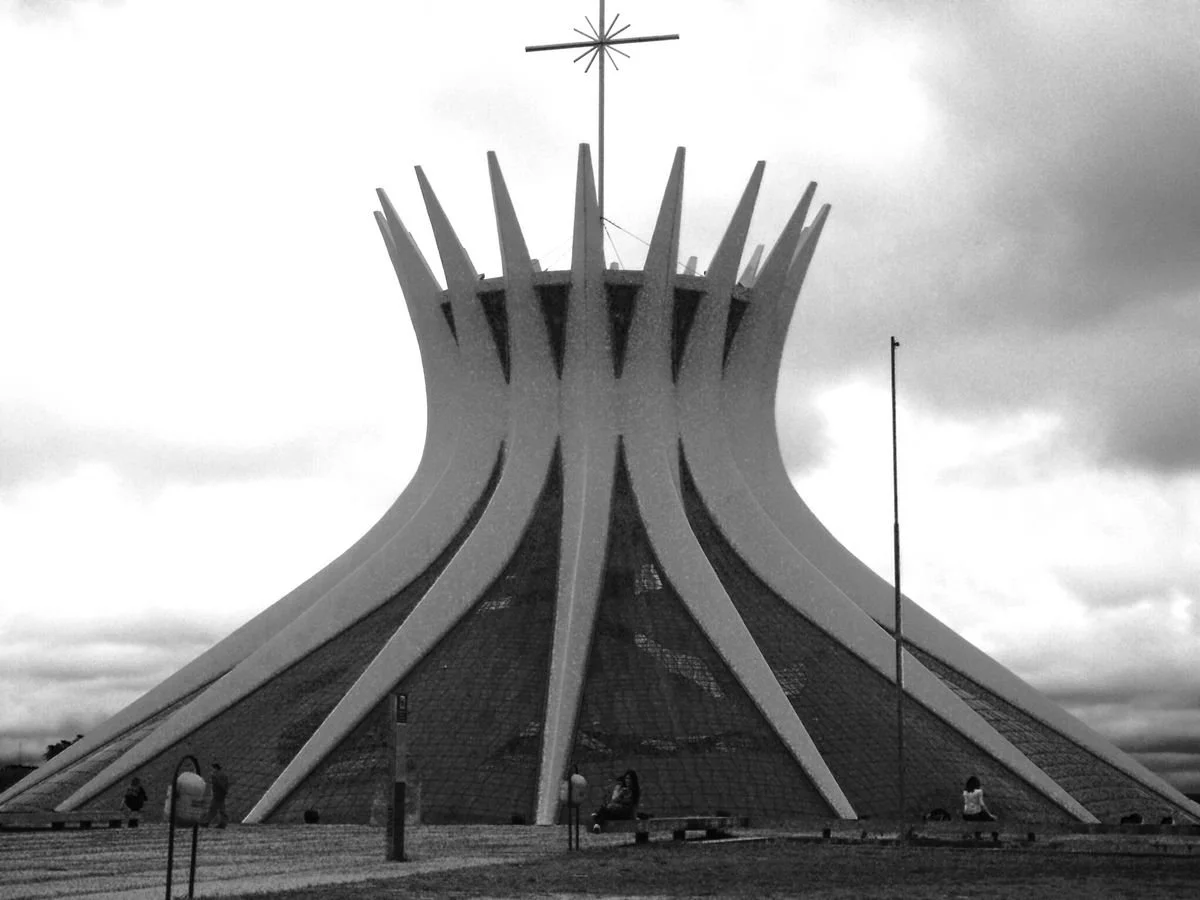
The Cathedral of Brasília is an iconic modernist church designed by Oscar Niemeyer and completed in 1970. Its structure is defined by 16 dramatic, hyperbolic concrete columns that curve upward and outward, forming a crown-like silhouette that appears to reach toward the sky.
Glass panels fill the spaces between the columns, allowing natural light to flood the interior and create a luminous, almost ethereal atmosphere. Visitors enter through a descending passageway, moving from darkness into a radiant circular sanctuary